July 20262 minIntermediate
What Are Tokenized Funds?
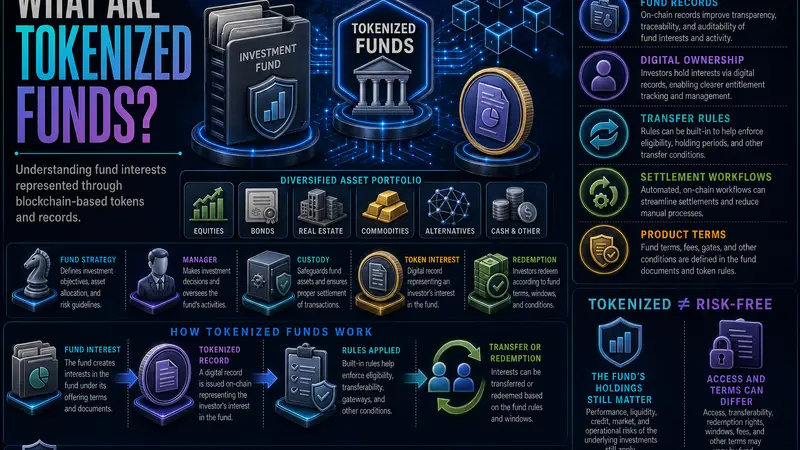
Tokenized funds use blockchain-based records or tokens for fund interests, while the fund’s strategy and terms remain central.
014
Read guideLoading page…
Beginner-friendly crypto, macro, and market structure explainers for reading the Daily Pulse with more context.
Showing 1–12 of 326 guides
Tokenized funds use blockchain-based records or tokens for fund interests, while the fund’s strategy and terms remain central.
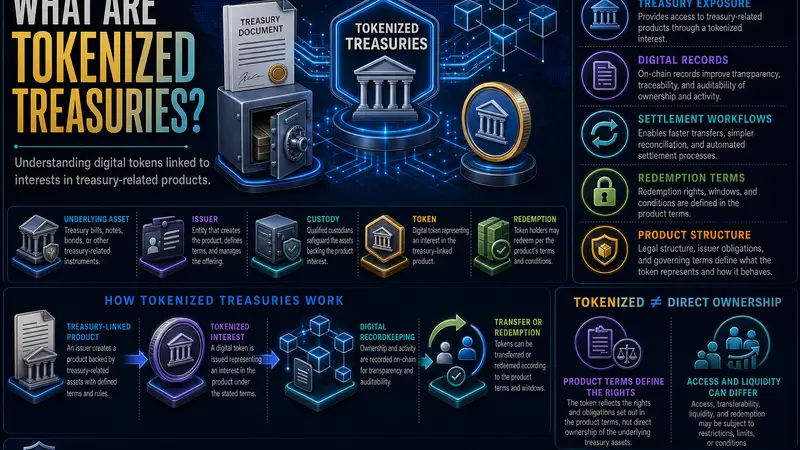
Tokenized treasuries use digital tokens to represent a defined interest in treasury-linked products and their underlying financial structure.
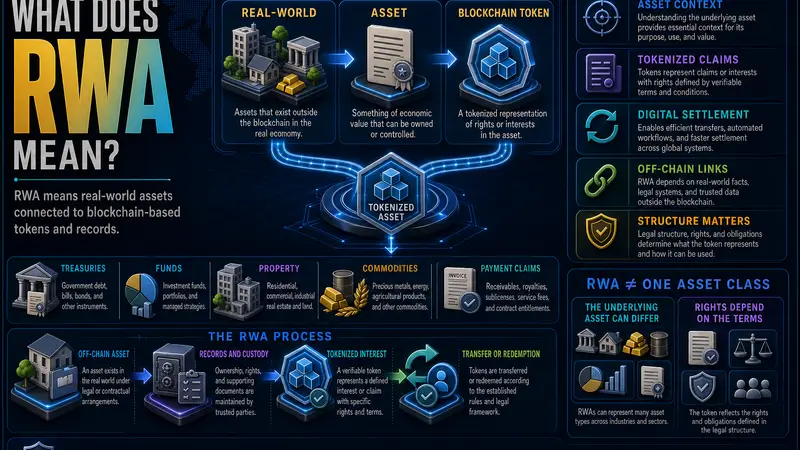
RWA means real-world assets—off-chain assets or rights connected to blockchain-based records, tokens, or settlement systems.
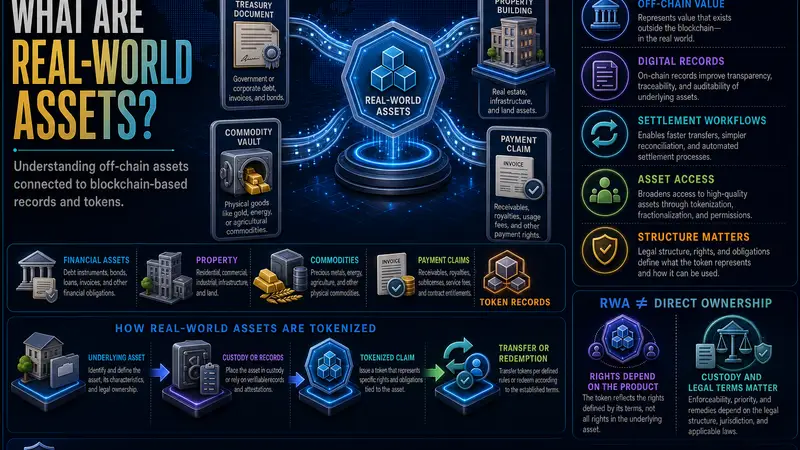
Real-world assets are off-chain assets connected to blockchain-based systems, often through tokenized records or claims.
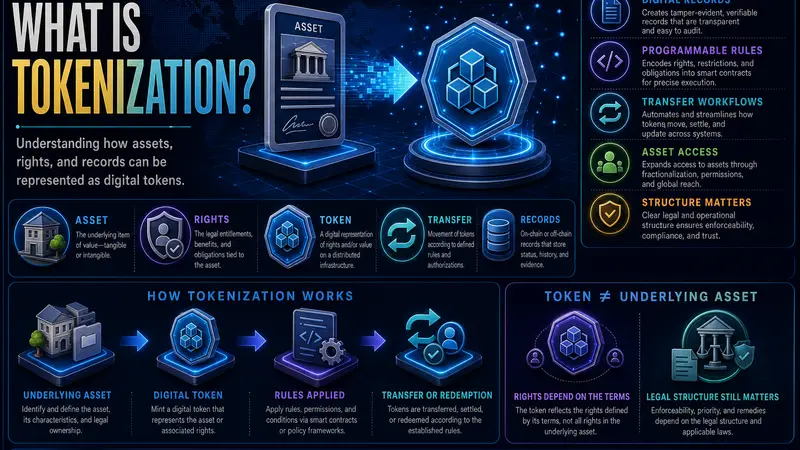
Tokenization turns an asset, right, or record into a digital token, connecting real-world structures with digital infrastructure.
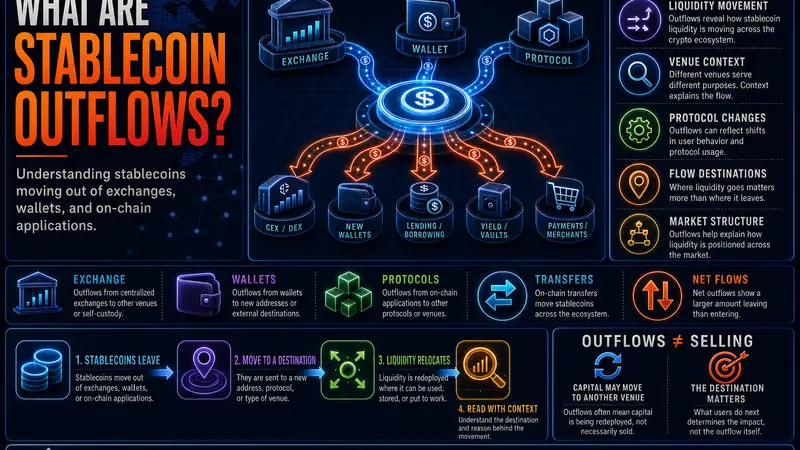
Stablecoin outflows show capital leaving a measured destination, helping explain how liquidity may be moving across crypto.
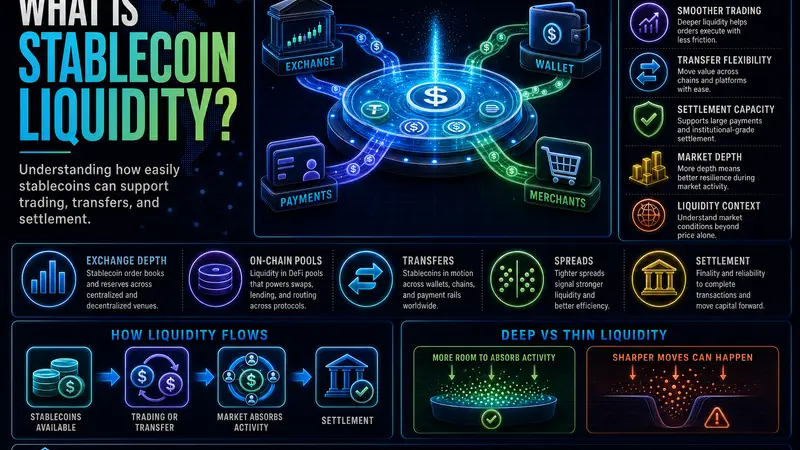
Stablecoin liquidity shows how easily stablecoins can support trading, transfers, and settlement across crypto markets.
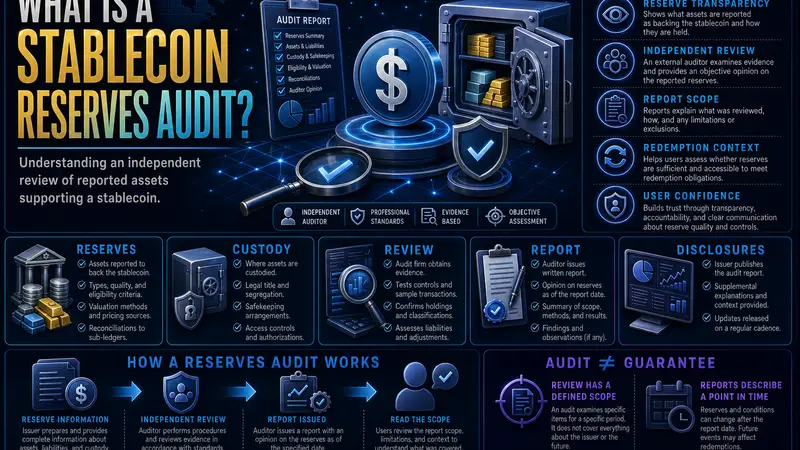
A stablecoin reserves audit is an independent review that can add context about reported reserve assets, but it is not a guarantee against all risks.
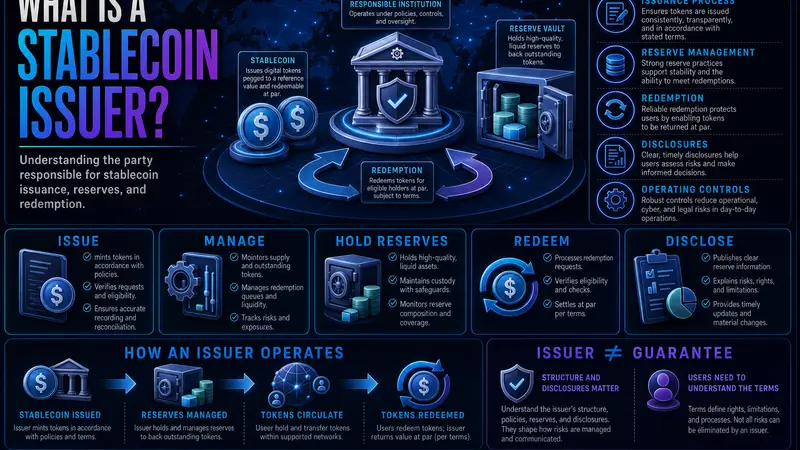
A stablecoin issuer is the party responsible for the stablecoin’s creation, management, reserves, and redemption operations.
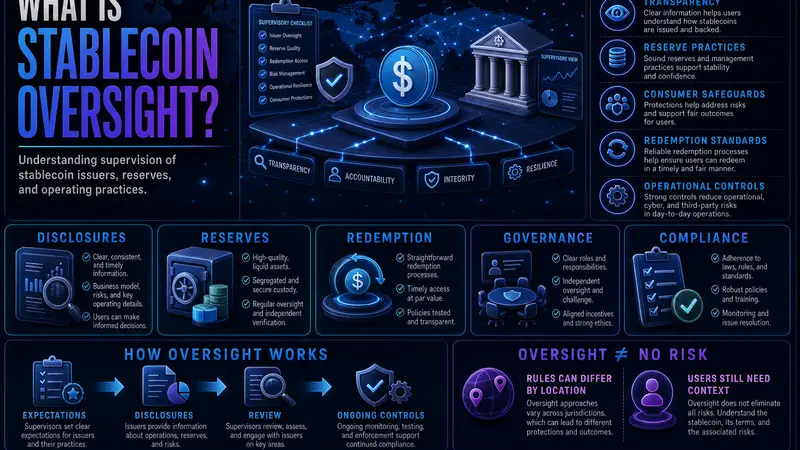
Stablecoin oversight is the supervision of stablecoin practices intended to support transparency, safeguards, and responsible operation.
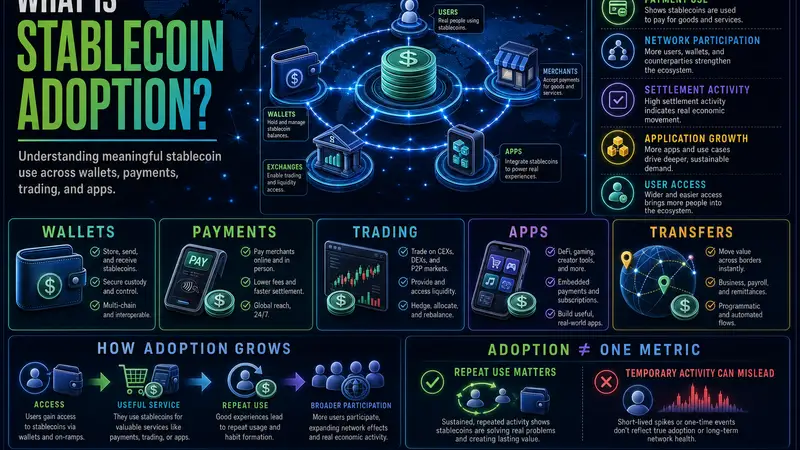
Stablecoin adoption describes meaningful, ongoing use of stablecoins across wallets, payments, trading, and applications.
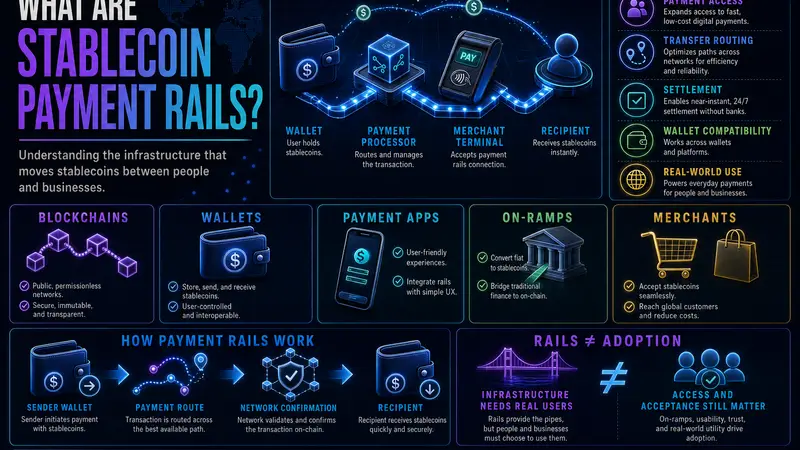
Stablecoin payment rails are the infrastructure that lets stablecoins move, settle, and be used for payments.
Beginner-friendly crypto, macro, and market structure explainers for reading the Daily Pulse with more context.
Showing 85–96 of 326 guides
Tokenized funds use blockchain-based records or tokens for fund interests, while the fund’s strategy and terms remain central.
Tokenized treasuries use digital tokens to represent a defined interest in treasury-linked products and their underlying financial structure.
RWA means real-world assets—off-chain assets or rights connected to blockchain-based records, tokens, or settlement systems.
Real-world assets are off-chain assets connected to blockchain-based systems, often through tokenized records or claims.
Tokenization turns an asset, right, or record into a digital token, connecting real-world structures with digital infrastructure.
Stablecoin outflows show capital leaving a measured destination, helping explain how liquidity may be moving across crypto.
Stablecoin liquidity shows how easily stablecoins can support trading, transfers, and settlement across crypto markets.
A stablecoin reserves audit is an independent review that can add context about reported reserve assets, but it is not a guarantee against all risks.
A stablecoin issuer is the party responsible for the stablecoin’s creation, management, reserves, and redemption operations.
Stablecoin oversight is the supervision of stablecoin practices intended to support transparency, safeguards, and responsible operation.
Stablecoin adoption describes meaningful, ongoing use of stablecoins across wallets, payments, trading, and applications.
Stablecoin payment rails are the infrastructure that lets stablecoins move, settle, and be used for payments.