July 20263 minBeginner
What Does Risk Radar Mean?
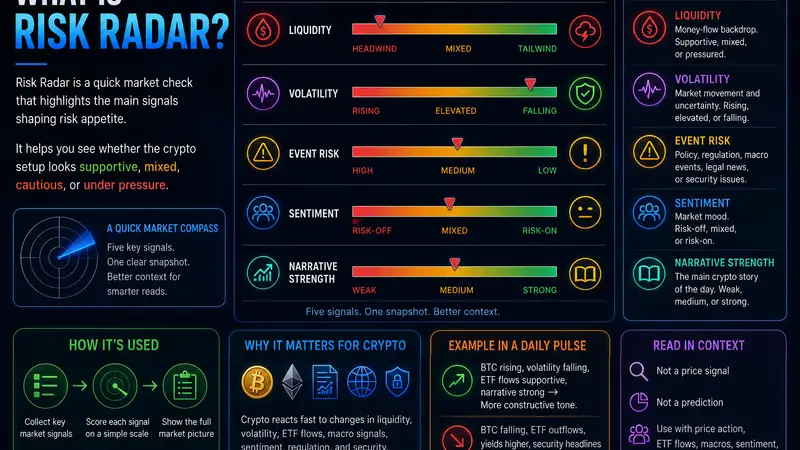
Risk Radar is a quick market context tool that shows whether crypto conditions look supportive, mixed, cautious, or pressured.
0311
Read guideLoading page…
Beginner-friendly crypto, macro, and market structure explainers for reading the Daily Pulse with more context.
Showing 1–12 of 326 guides
Risk Radar is a quick market context tool that shows whether crypto conditions look supportive, mixed, cautious, or pressured.
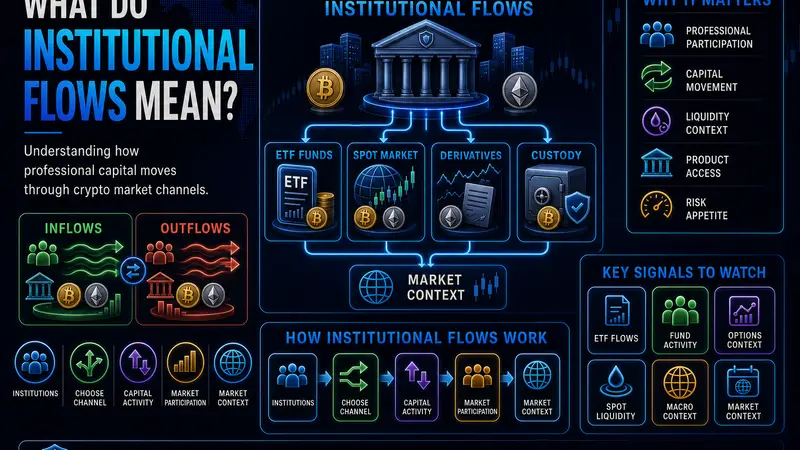
Institutional flows describe capital moving through professional investors and can add context to participation in crypto markets.
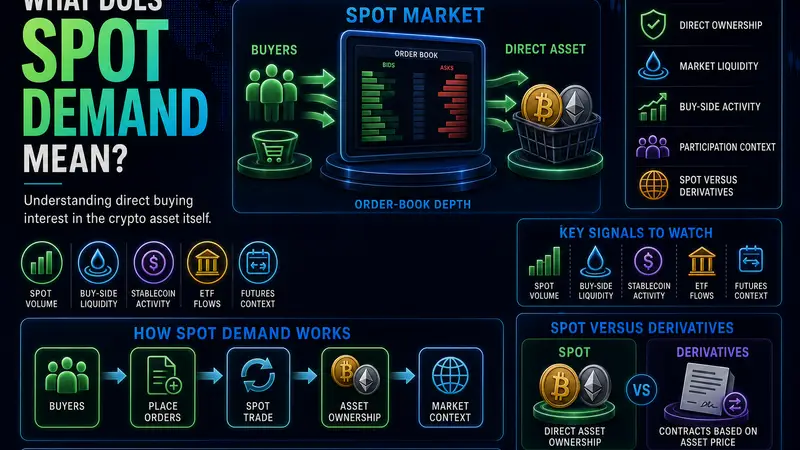
Spot demand is direct buying interest in the crypto asset itself, helping show participation outside derivatives markets.
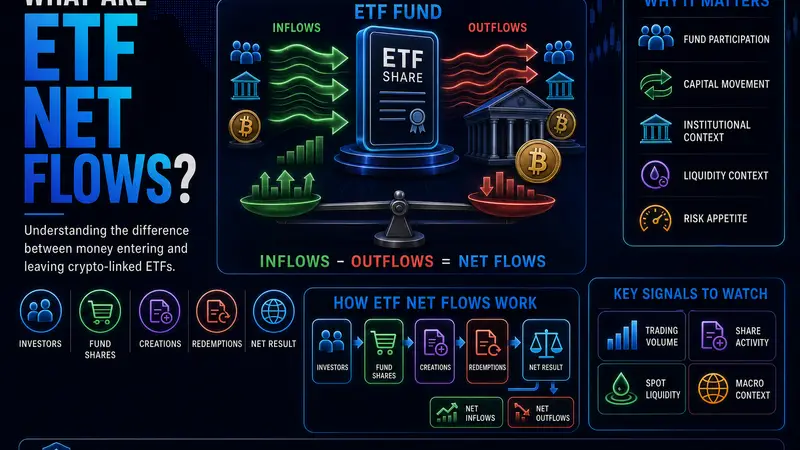
ETF net flows show the difference between capital entering and leaving a fund, adding context to crypto-linked ETF participation.
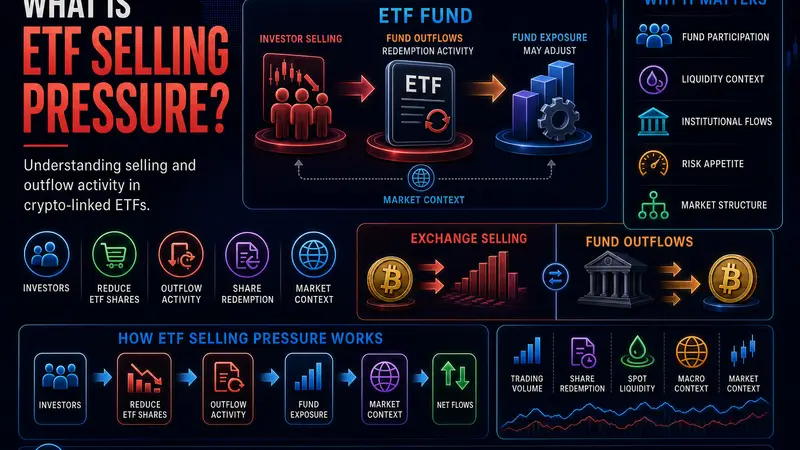
ETF selling pressure describes investor selling and outflow activity in an ETF, adding context to crypto-linked fund participation.
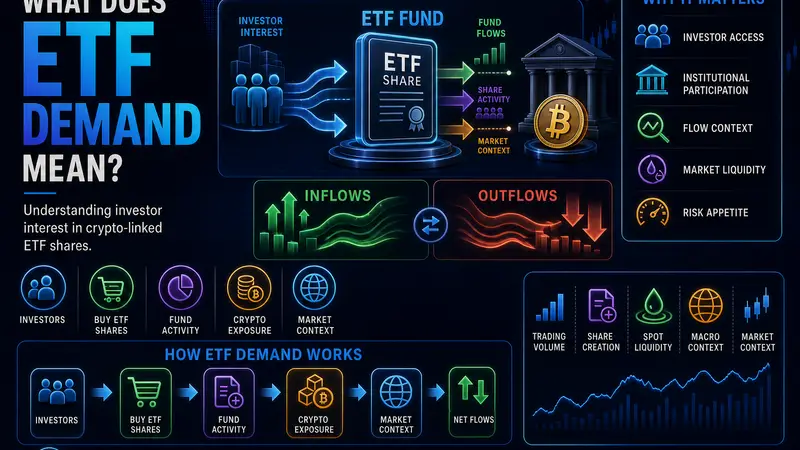
ETF demand describes investor interest in buying ETF shares and helps add context to participation in crypto-linked funds.
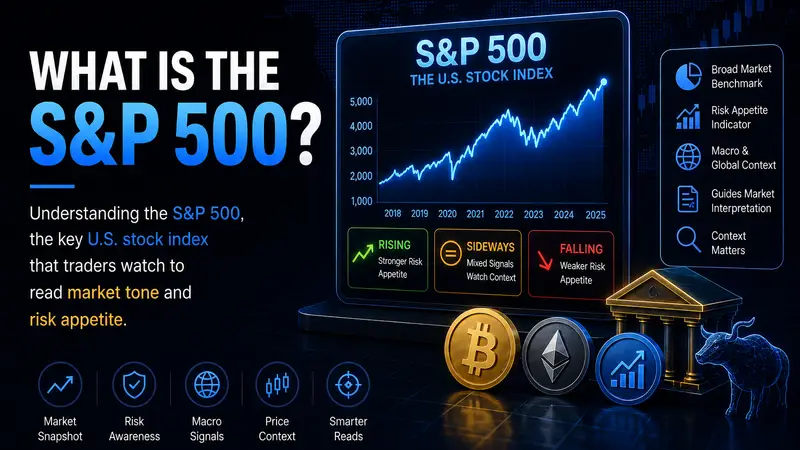
The S&P 500 is a major U.S. stock index that traders watch to understand risk appetite and broader market tone.
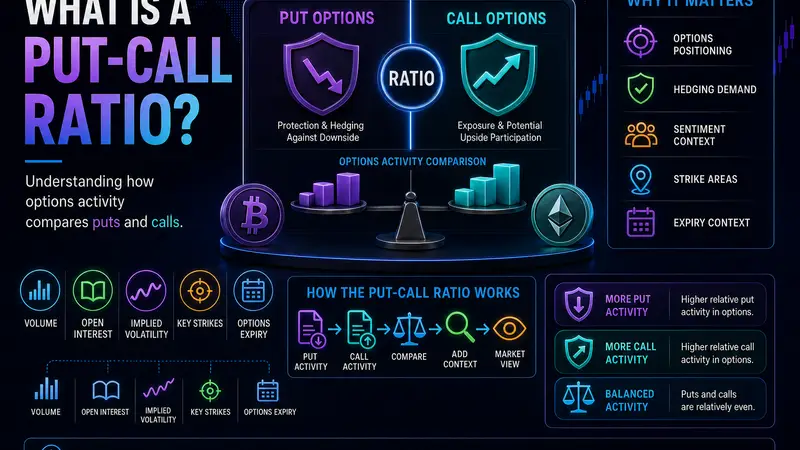
The put-call ratio compares put and call options activity, helping traders add context to positioning, hedging, and sentiment.
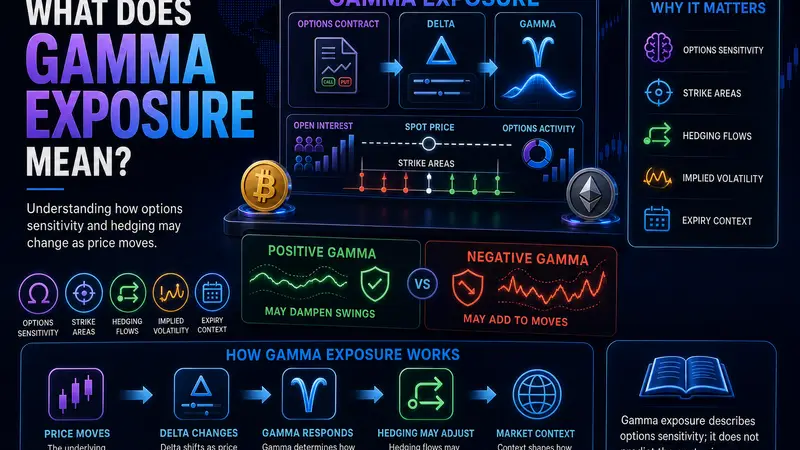
Gamma exposure describes how options positions may change sensitivity as price moves and how related hedging flows may affect markets.
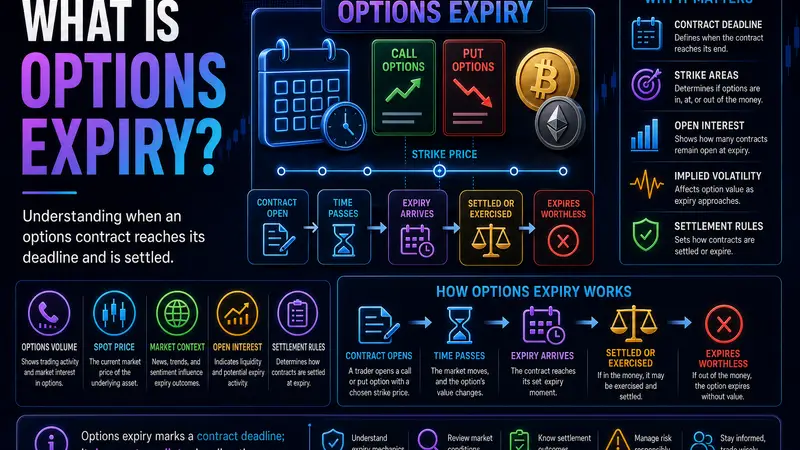
Options expiry is when an options contract reaches its deadline and is settled, exercised, closed, or expires.
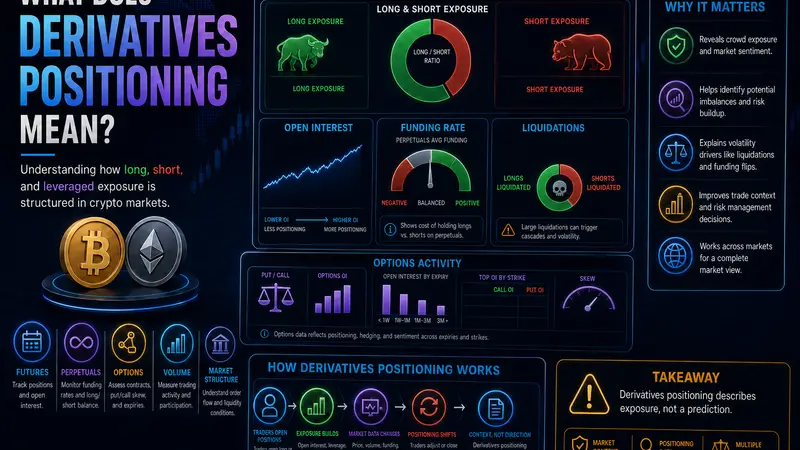
Derivatives positioning describes how long, short, leveraged, and options exposure is structured across crypto derivatives markets.
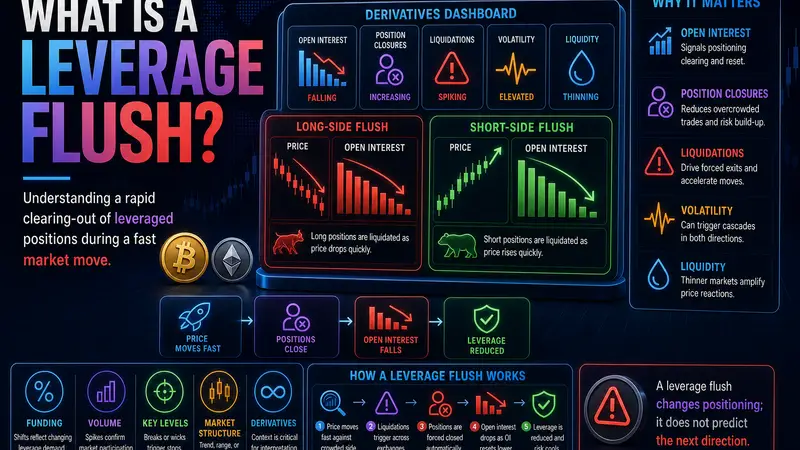
A leverage flush is a rapid reduction in leveraged positions during a fast crypto market move.
Beginner-friendly crypto, macro, and market structure explainers for reading the Daily Pulse with more context.
Showing 109–120 of 326 guides
Risk Radar is a quick market context tool that shows whether crypto conditions look supportive, mixed, cautious, or pressured.
Institutional flows describe capital moving through professional investors and can add context to participation in crypto markets.
Spot demand is direct buying interest in the crypto asset itself, helping show participation outside derivatives markets.
ETF net flows show the difference between capital entering and leaving a fund, adding context to crypto-linked ETF participation.
ETF selling pressure describes investor selling and outflow activity in an ETF, adding context to crypto-linked fund participation.
ETF demand describes investor interest in buying ETF shares and helps add context to participation in crypto-linked funds.
The S&P 500 is a major U.S. stock index that traders watch to understand risk appetite and broader market tone.
The put-call ratio compares put and call options activity, helping traders add context to positioning, hedging, and sentiment.
Gamma exposure describes how options positions may change sensitivity as price moves and how related hedging flows may affect markets.
Options expiry is when an options contract reaches its deadline and is settled, exercised, closed, or expires.
Derivatives positioning describes how long, short, leveraged, and options exposure is structured across crypto derivatives markets.
A leverage flush is a rapid reduction in leveraged positions during a fast crypto market move.