August 20262 minIntermediate
What Is Market Oversight?
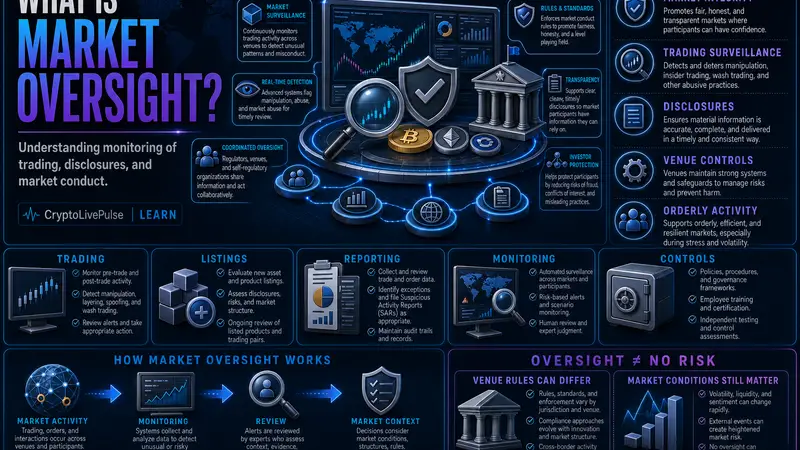
Market oversight is the monitoring of trading and market conduct to support integrity, transparency, and orderly activity.
Loading page…
Beginner-friendly crypto, macro, and market structure explainers for reading the Daily Pulse with more context.
Showing 1–12 of 326 guides
Market oversight is the monitoring of trading and market conduct to support integrity, transparency, and orderly activity.
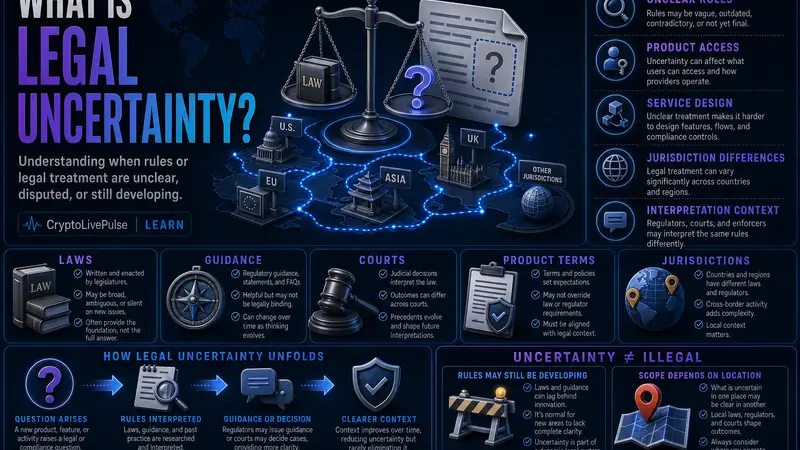
Legal uncertainty is the lack of clear, settled answers about how rules apply to a crypto activity or product.
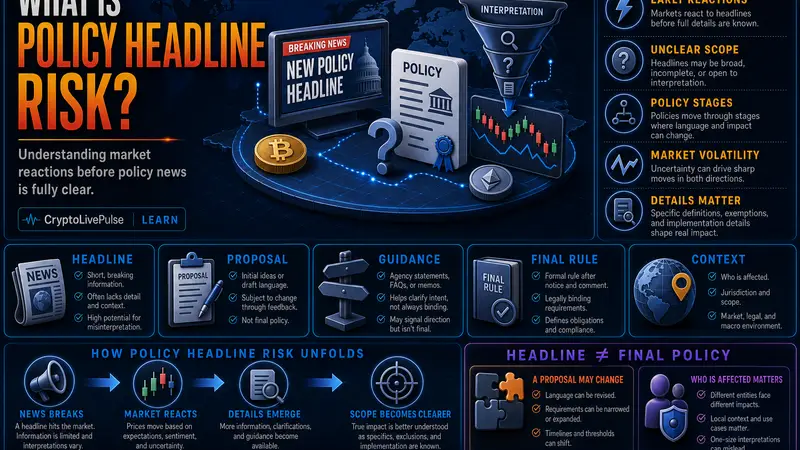
Policy headline risk is the uncertainty and market reaction that can arise before policy news is fully understood.
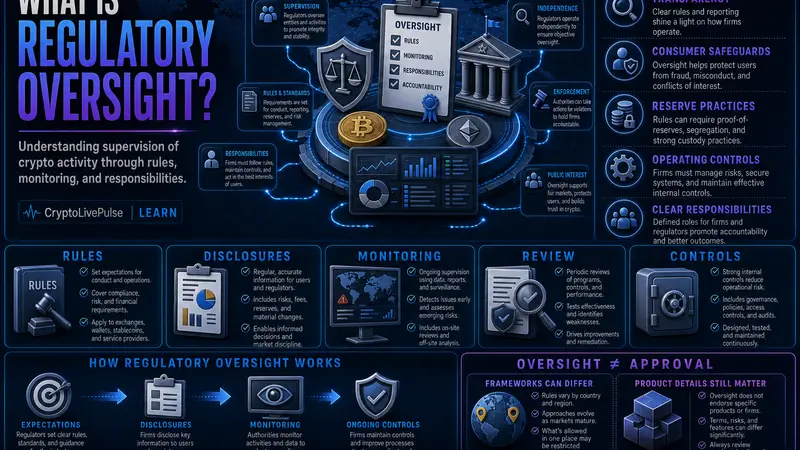
Regulatory oversight is the supervision of crypto-related activity through rules, monitoring, and defined responsibilities.
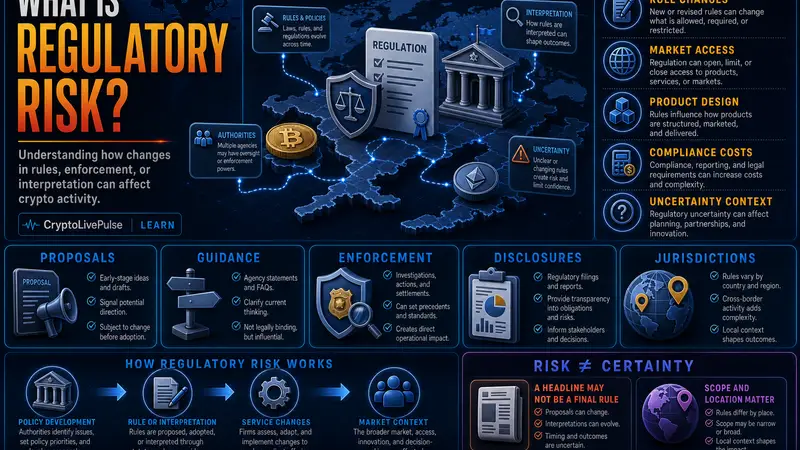
Regulatory risk is the possibility that rules or their interpretation could affect crypto products, platforms, and access.
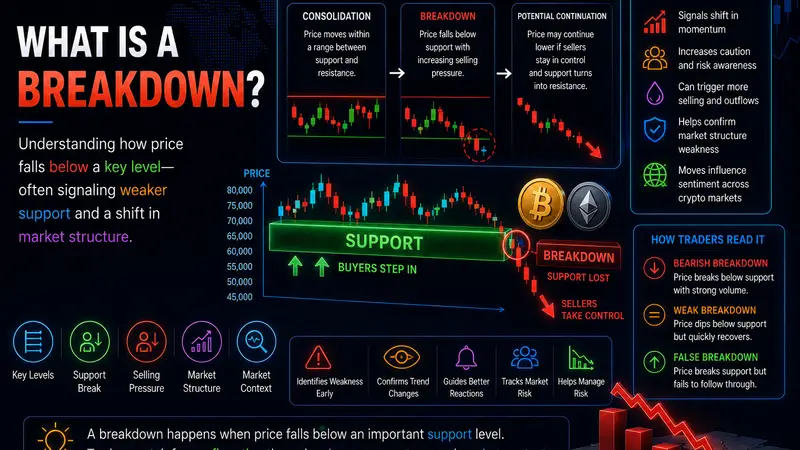
A breakdown happens when price falls below an important level, often showing weaker support or market structure.
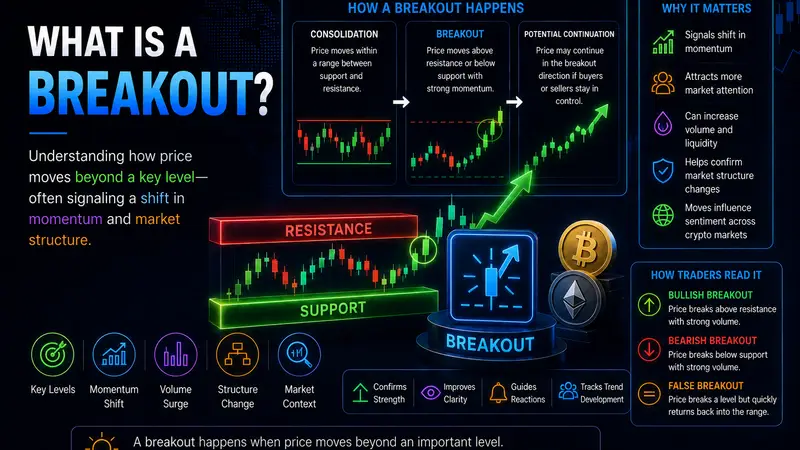
A breakout happens when price moves beyond an important level, often showing a possible shift in market structure.
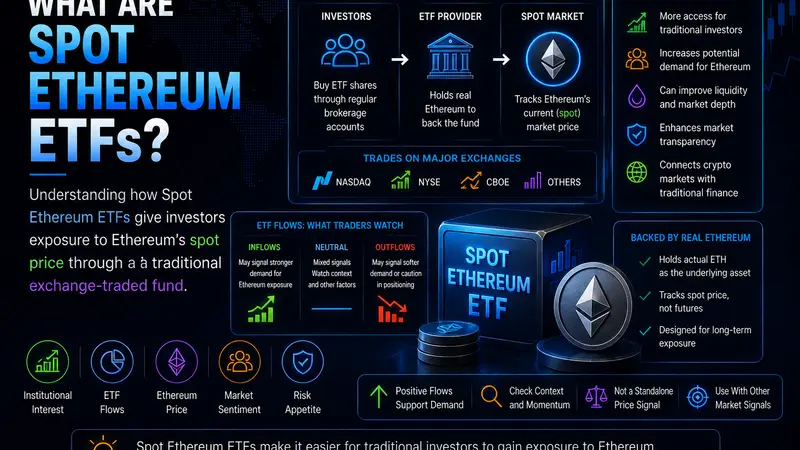
A Spot Ethereum ETF gives investors exposure to Ethereum’s spot price through a traditional exchange-traded fund.
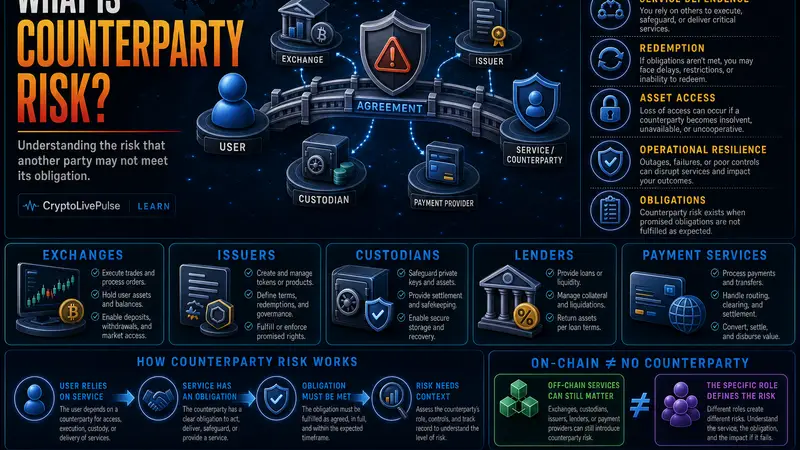
Counterparty risk is the possibility that another party will not meet its obligation in a transaction or service arrangement.
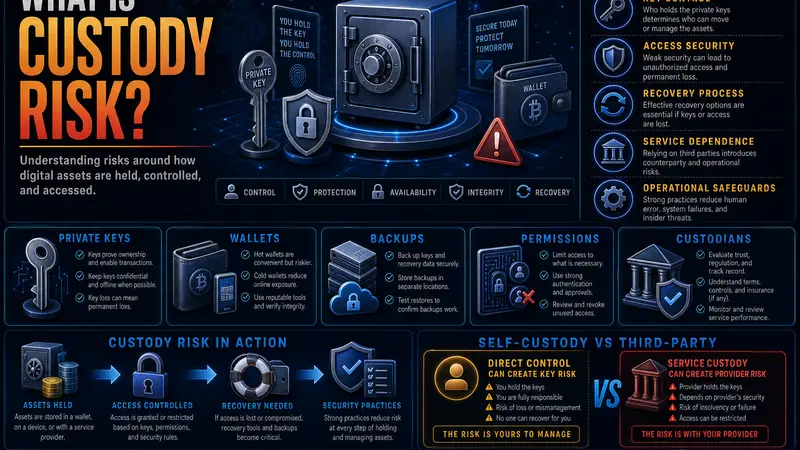
Custody risk is the risk around how assets are held and accessed, including key control, recovery, and security practices.
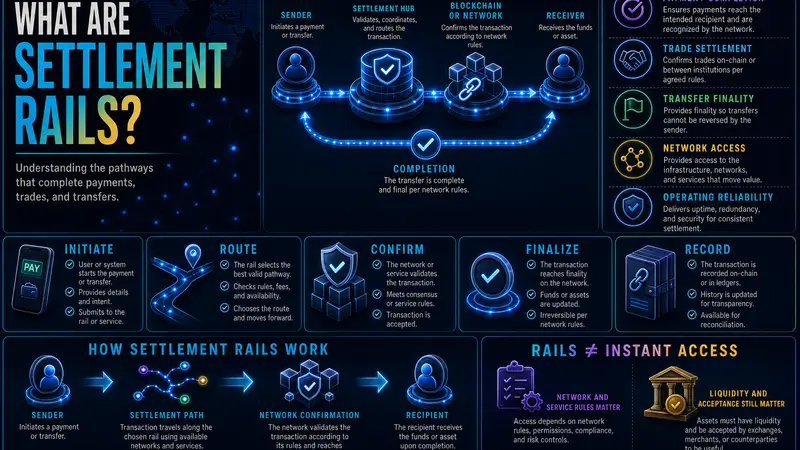
Settlement rails are the pathways and processes that complete transfers, payments, and trades between parties.
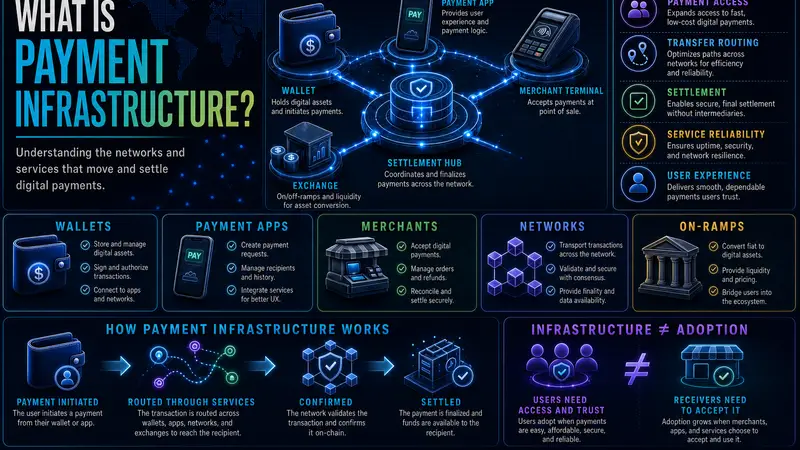
Payment infrastructure is the system that enables payments to move, settle, and be recorded across users, services, and networks.
Beginner-friendly crypto, macro, and market structure explainers for reading the Daily Pulse with more context.
Showing 73–84 of 326 guides
Market oversight is the monitoring of trading and market conduct to support integrity, transparency, and orderly activity.
Legal uncertainty is the lack of clear, settled answers about how rules apply to a crypto activity or product.
Policy headline risk is the uncertainty and market reaction that can arise before policy news is fully understood.
Regulatory oversight is the supervision of crypto-related activity through rules, monitoring, and defined responsibilities.
Regulatory risk is the possibility that rules or their interpretation could affect crypto products, platforms, and access.
A breakdown happens when price falls below an important level, often showing weaker support or market structure.
A breakout happens when price moves beyond an important level, often showing a possible shift in market structure.
A Spot Ethereum ETF gives investors exposure to Ethereum’s spot price through a traditional exchange-traded fund.
Counterparty risk is the possibility that another party will not meet its obligation in a transaction or service arrangement.
Custody risk is the risk around how assets are held and accessed, including key control, recovery, and security practices.
Settlement rails are the pathways and processes that complete transfers, payments, and trades between parties.
Payment infrastructure is the system that enables payments to move, settle, and be recorded across users, services, and networks.