August 20262 minIntermediate
What Is Dollar Strength?
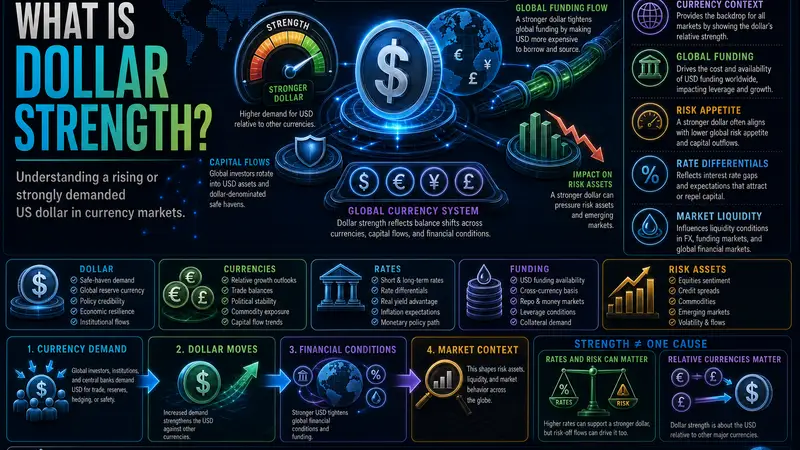
Dollar strength describes a rising or strongly demanded US dollar and can add context about global financial conditions.
Loading page…
Beginner-friendly crypto, macro, and market structure explainers for reading the Daily Pulse with more context.
Showing 1–12 of 326 guides
Dollar strength describes a rising or strongly demanded US dollar and can add context about global financial conditions.
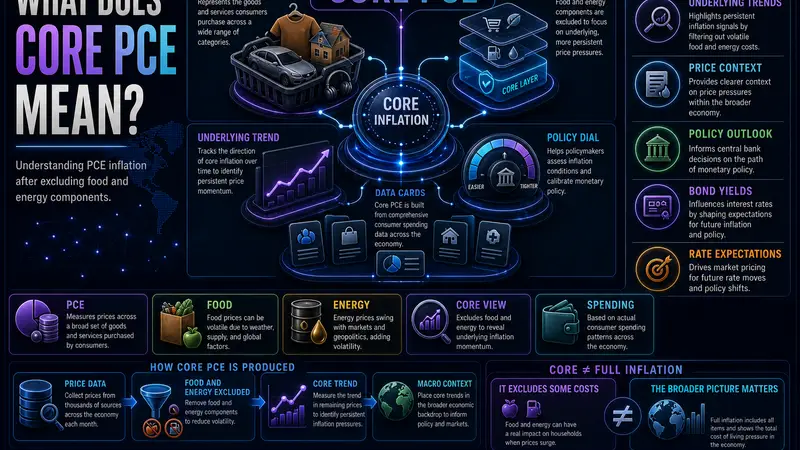
Core PCE is an inflation measure that excludes food and energy to provide another view of underlying consumer-price trends.
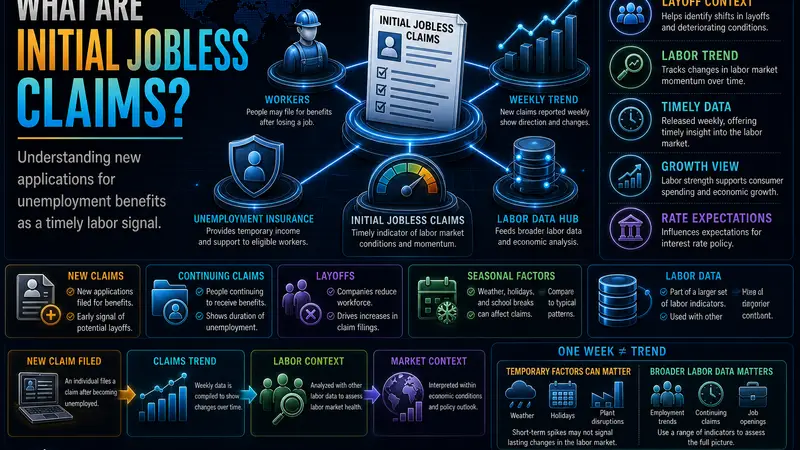
Initial jobless claims are a timely measure of new unemployment-benefit applications that can add context about labor-market conditions.
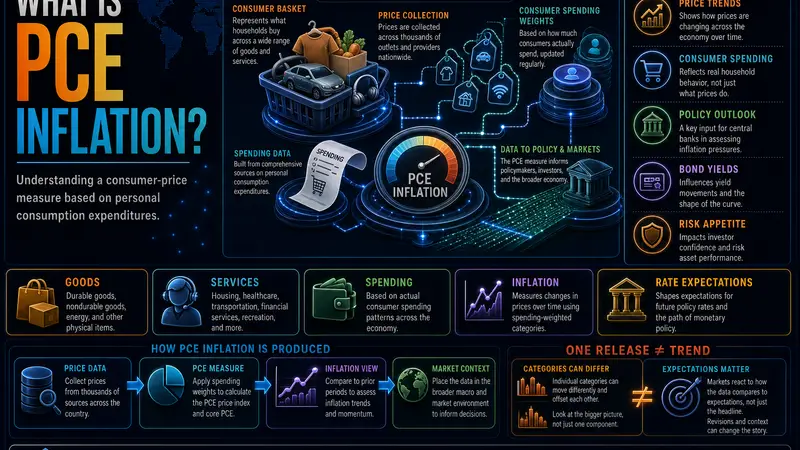
PCE inflation is a consumer-price measure that helps shape views on inflation and the policy outlook.
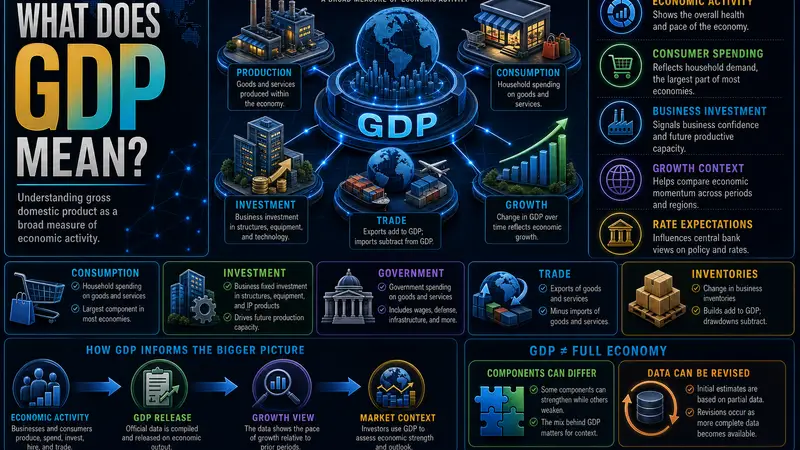
GDP is a broad measure of economic activity that helps shape views on growth and broader financial conditions.
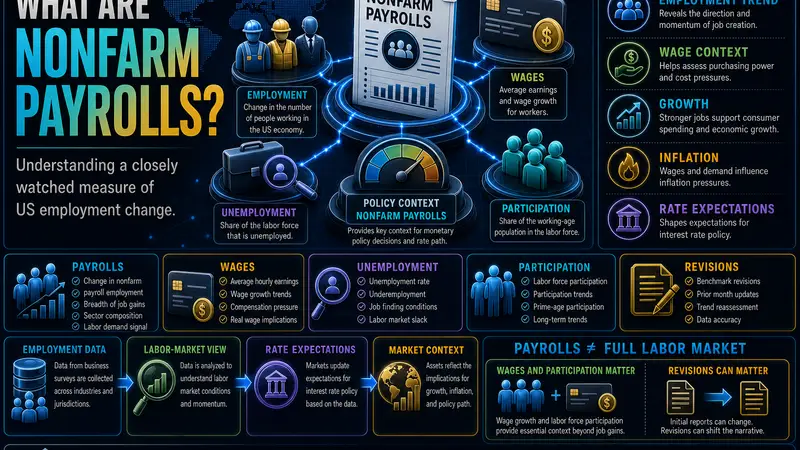
Nonfarm payrolls are a closely watched employment measure that provides context about the US labor market and rate expectations.
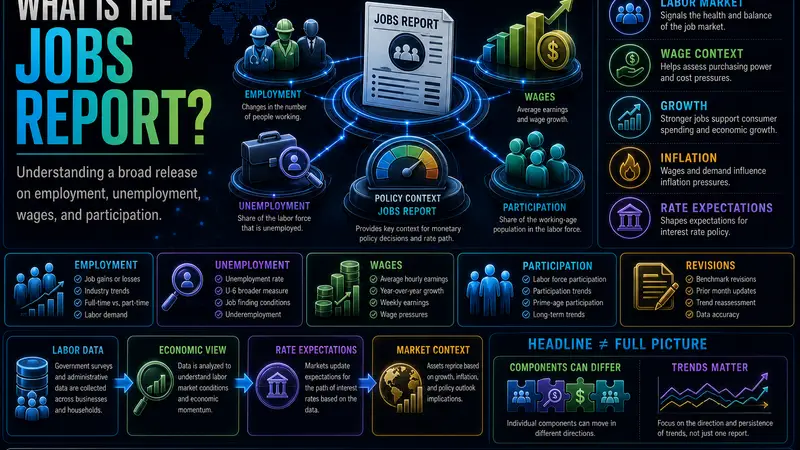
The jobs report is a broad labor-market release that helps shape views on growth, inflation, and rate expectations.
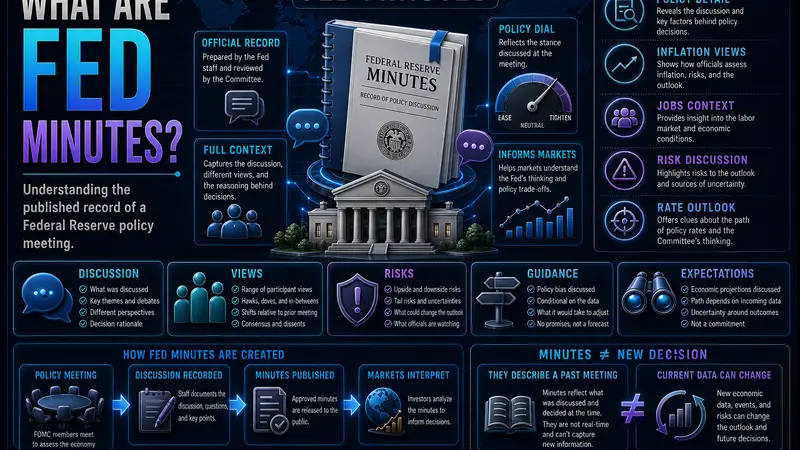
Fed minutes are a published summary of policy-meeting discussions that can add context about how policymakers viewed the economy and rates.
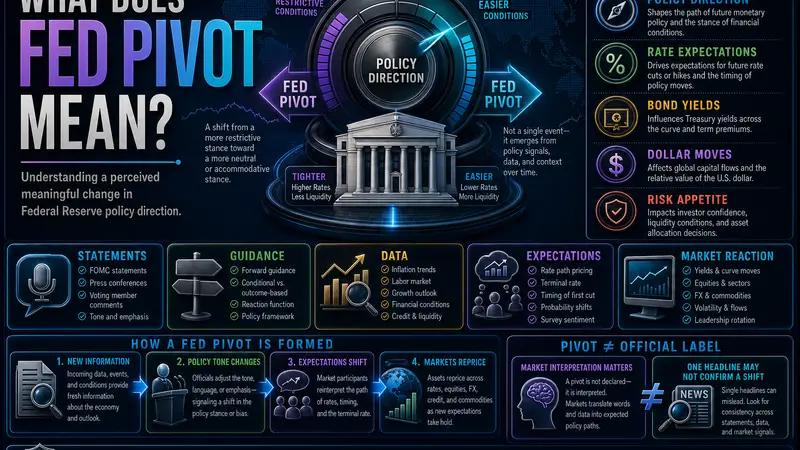
A Fed pivot is a perceived change in the Federal Reserve’s policy direction or tone, not an official term or guaranteed outcome.
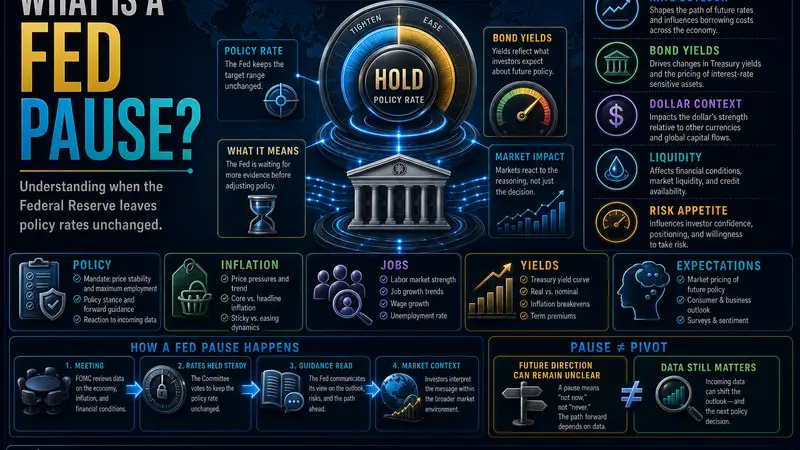
A Fed pause is a decision to leave policy rates unchanged, and its meaning depends on the wider economic and policy context.
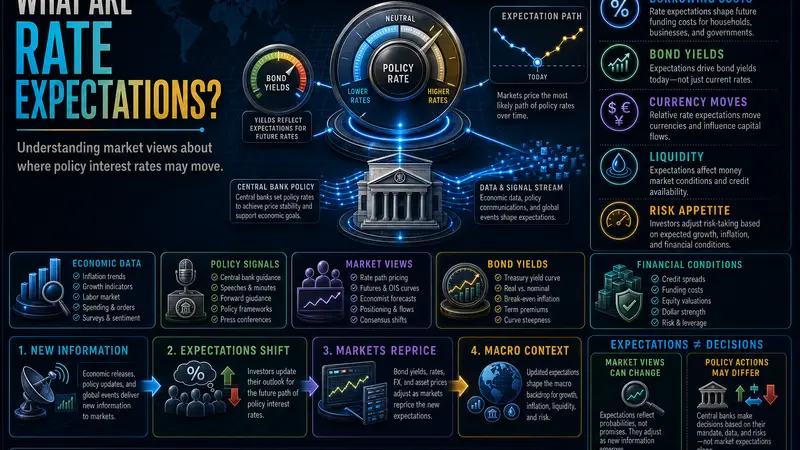
Rate expectations are market views about future policy rates and help shape wider financial conditions.
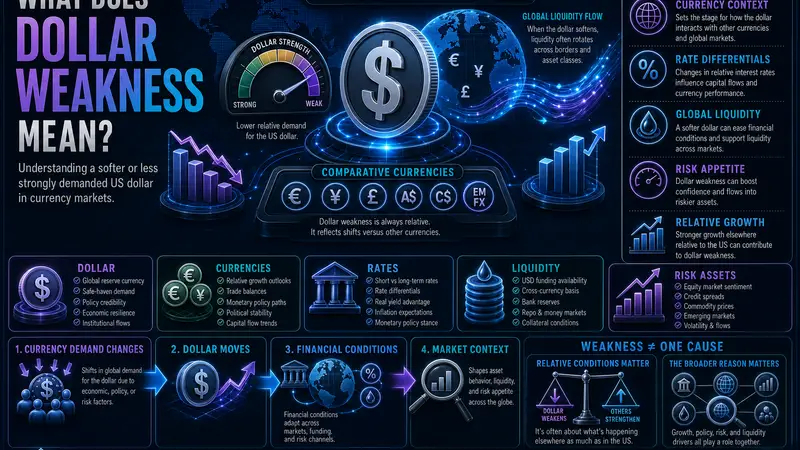
Dollar weakness describes a declining or less strongly demanded US dollar and adds context about global market conditions.
Beginner-friendly crypto, macro, and market structure explainers for reading the Daily Pulse with more context.
Showing 49–60 of 326 guides
Dollar strength describes a rising or strongly demanded US dollar and can add context about global financial conditions.
Core PCE is an inflation measure that excludes food and energy to provide another view of underlying consumer-price trends.
Initial jobless claims are a timely measure of new unemployment-benefit applications that can add context about labor-market conditions.
PCE inflation is a consumer-price measure that helps shape views on inflation and the policy outlook.
GDP is a broad measure of economic activity that helps shape views on growth and broader financial conditions.
Nonfarm payrolls are a closely watched employment measure that provides context about the US labor market and rate expectations.
The jobs report is a broad labor-market release that helps shape views on growth, inflation, and rate expectations.
Fed minutes are a published summary of policy-meeting discussions that can add context about how policymakers viewed the economy and rates.
A Fed pivot is a perceived change in the Federal Reserve’s policy direction or tone, not an official term or guaranteed outcome.
A Fed pause is a decision to leave policy rates unchanged, and its meaning depends on the wider economic and policy context.
Rate expectations are market views about future policy rates and help shape wider financial conditions.
Dollar weakness describes a declining or less strongly demanded US dollar and adds context about global market conditions.