August 20262 minIntermediate
What Does Geopolitical Risk Mean?
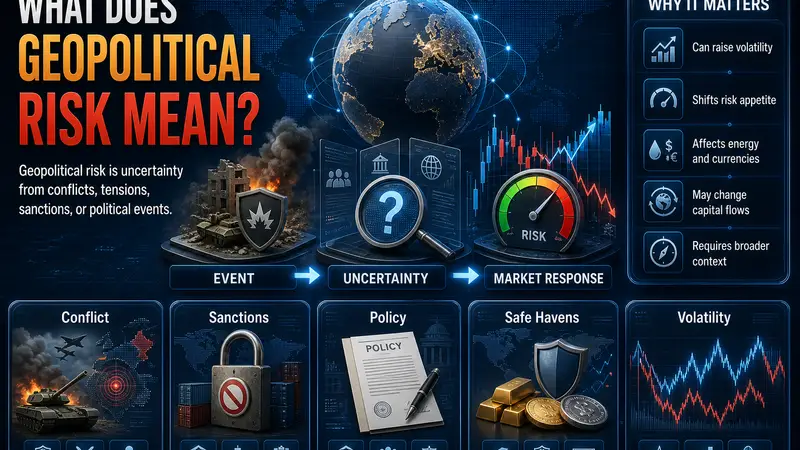
Geopolitical risk is international uncertainty that can affect risk appetite, liquidity, and crypto market conditions.
Loading page…
Beginner-friendly crypto, macro, and market structure explainers for reading the Daily Pulse with more context.
Showing 1–12 of 326 guides
Geopolitical risk is international uncertainty that can affect risk appetite, liquidity, and crypto market conditions.
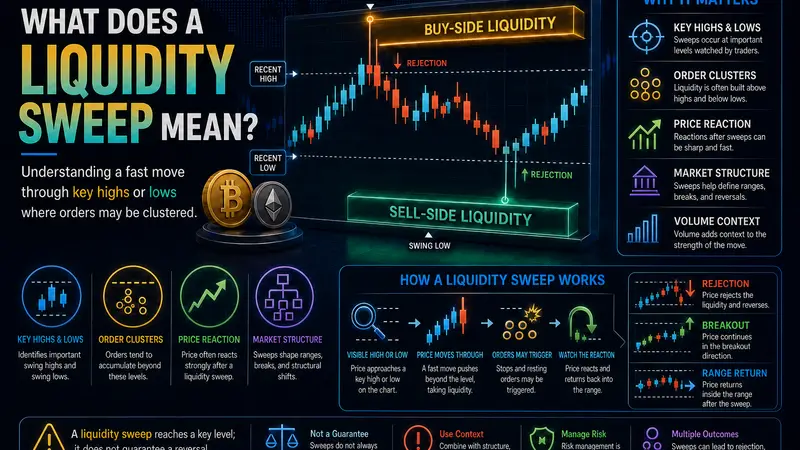
A liquidity sweep is a quick move through a key high or low where orders may be clustered, often followed by a fast reaction.
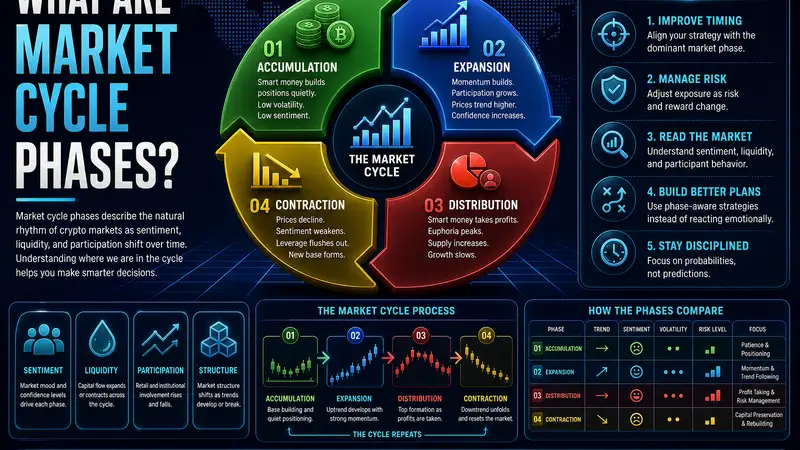
Market cycle phases describe broad shifts in prices, participation, and sentiment over time.
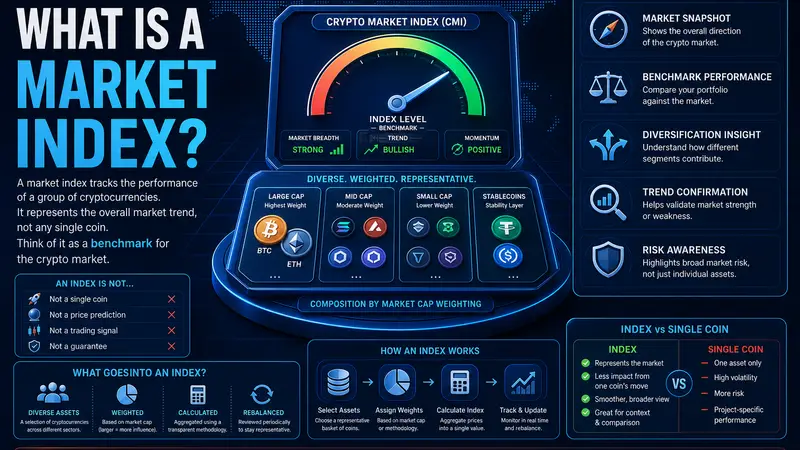
A market index tracks a group of assets and helps show broad market performance and participation.
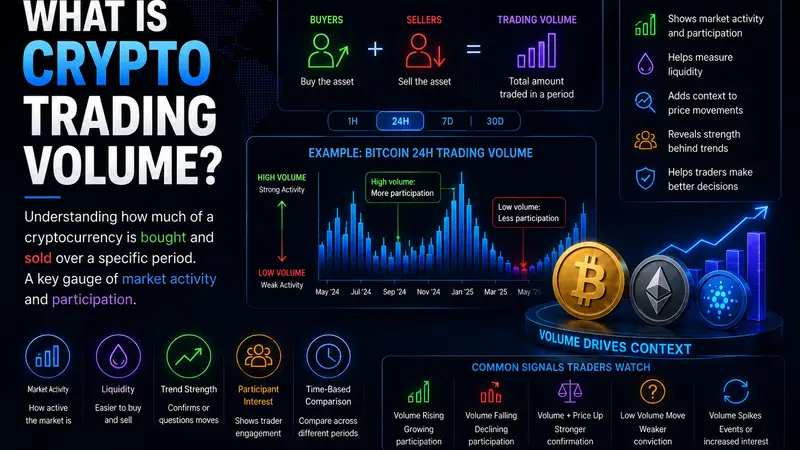
Learn what crypto trading volume means and why traders watch it to better understand market activity and participation.
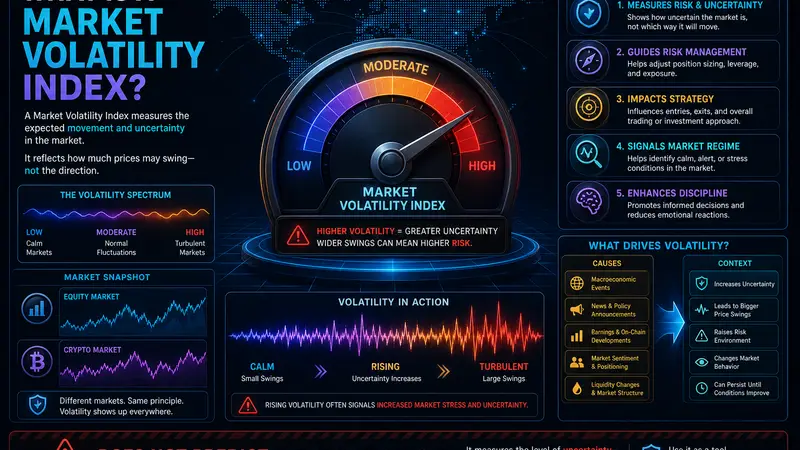
A market volatility index summarizes expected price movement and investor uncertainty.
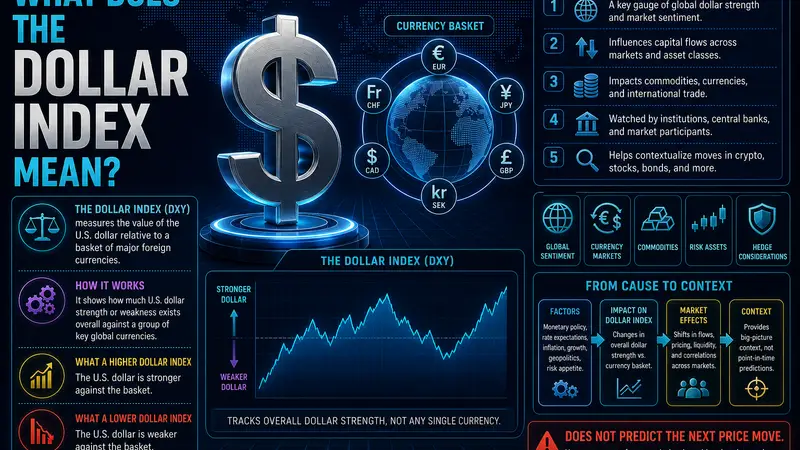
The Dollar Index tracks broad U.S. dollar strength against major currencies and can affect global risk conditions.
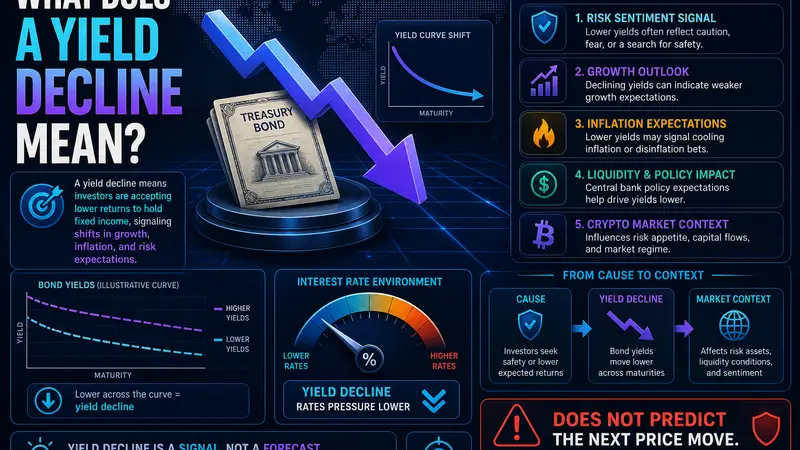
A yield decline is a fall in bond yields that can reflect changing growth, inflation, and risk expectations.
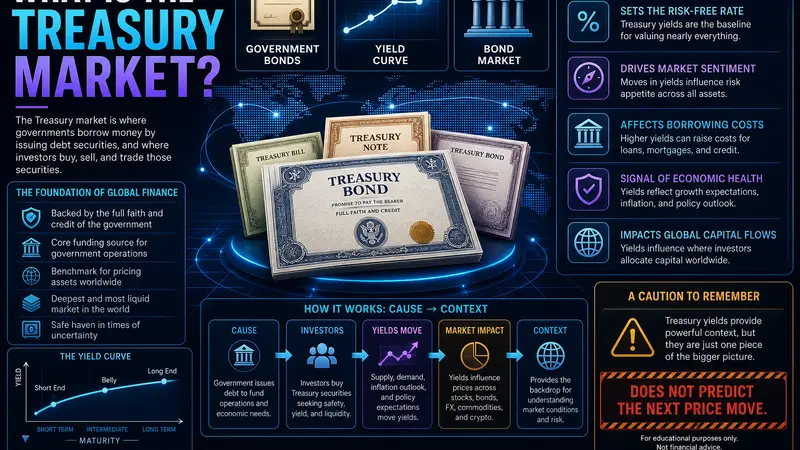
The Treasury market influences yields, financial conditions, and broader risk appetite.
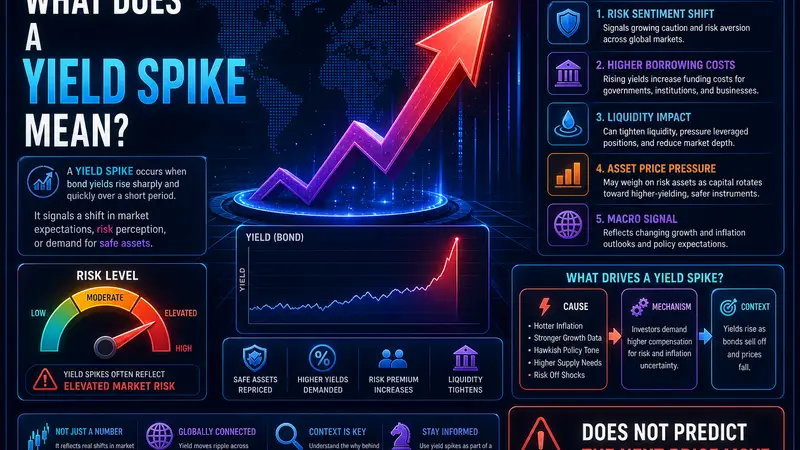
A yield spike is a fast rise in bond yields that can tighten financial conditions.
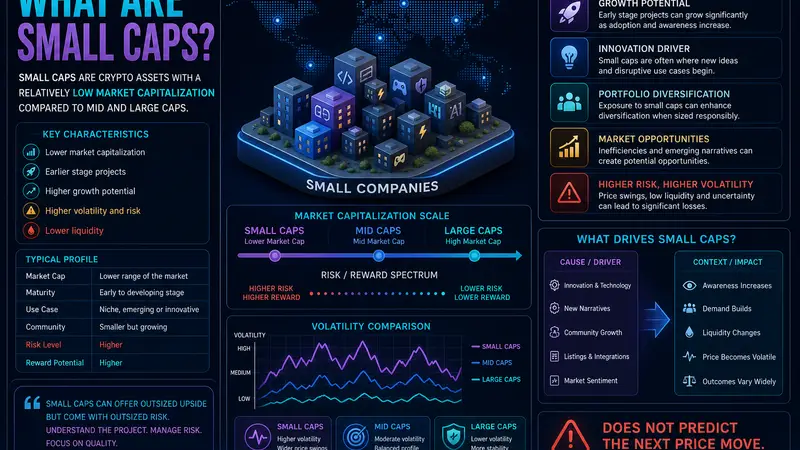
Small caps are smaller public companies whose performance can reflect growth, rates, and risk appetite.
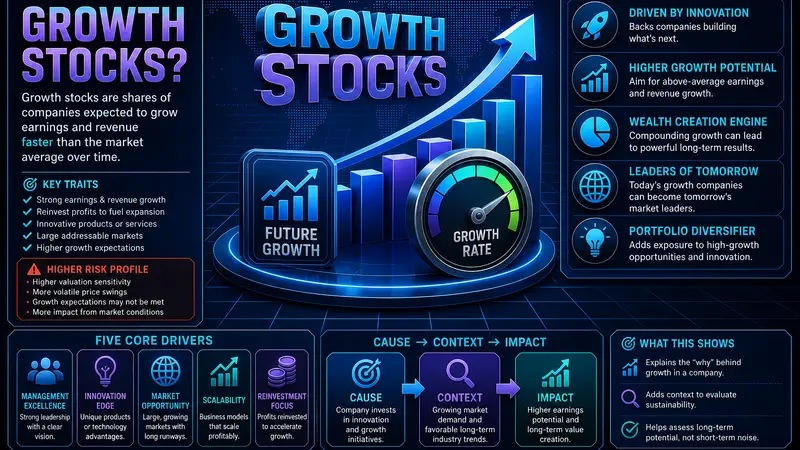
Growth stocks are shares expected to expand faster than the market and can reflect changing rate and risk conditions.
Beginner-friendly crypto, macro, and market structure explainers for reading the Daily Pulse with more context.
Showing 25–36 of 326 guides
Geopolitical risk is international uncertainty that can affect risk appetite, liquidity, and crypto market conditions.
A liquidity sweep is a quick move through a key high or low where orders may be clustered, often followed by a fast reaction.
Market cycle phases describe broad shifts in prices, participation, and sentiment over time.
A market index tracks a group of assets and helps show broad market performance and participation.
Learn what crypto trading volume means and why traders watch it to better understand market activity and participation.
A market volatility index summarizes expected price movement and investor uncertainty.
The Dollar Index tracks broad U.S. dollar strength against major currencies and can affect global risk conditions.
A yield decline is a fall in bond yields that can reflect changing growth, inflation, and risk expectations.
The Treasury market influences yields, financial conditions, and broader risk appetite.
A yield spike is a fast rise in bond yields that can tighten financial conditions.
Small caps are smaller public companies whose performance can reflect growth, rates, and risk appetite.
Growth stocks are shares expected to expand faster than the market and can reflect changing rate and risk conditions.