
June 20262 minBeginner
What Is Layer 1?
Layer 1 means the base blockchain network that records transactions, supports security, and helps shape crypto market structure.
Loading page…
Beginner-friendly crypto, macro, and market structure explainers for reading the Daily Pulse with more context.
Showing 1–12 of 326 guides
Layer 1 means the base blockchain network that records transactions, supports security, and helps shape crypto market structure.
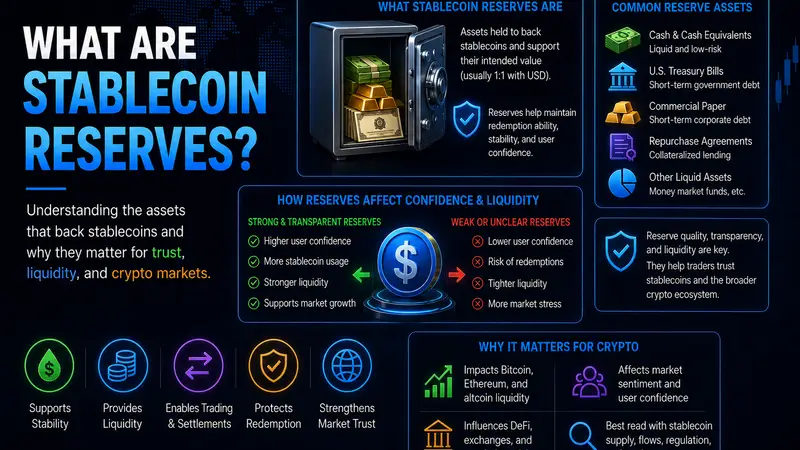
Stablecoin reserves help traders understand stablecoin backing, confidence, liquidity, and how stablecoin risk can affect crypto markets.
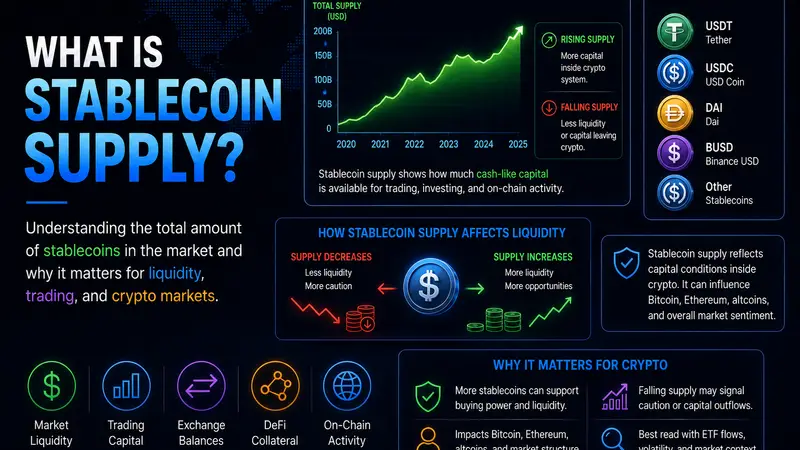
Stablecoin supply shows how much cash-like crypto capital is available and can help traders read liquidity and market participation.
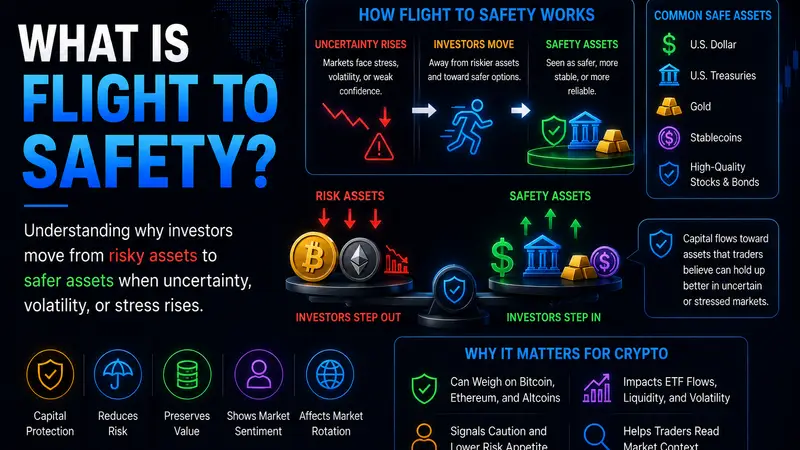
Flight to safety means traders move toward assets viewed as safer when risk appetite weakens and uncertainty rises.
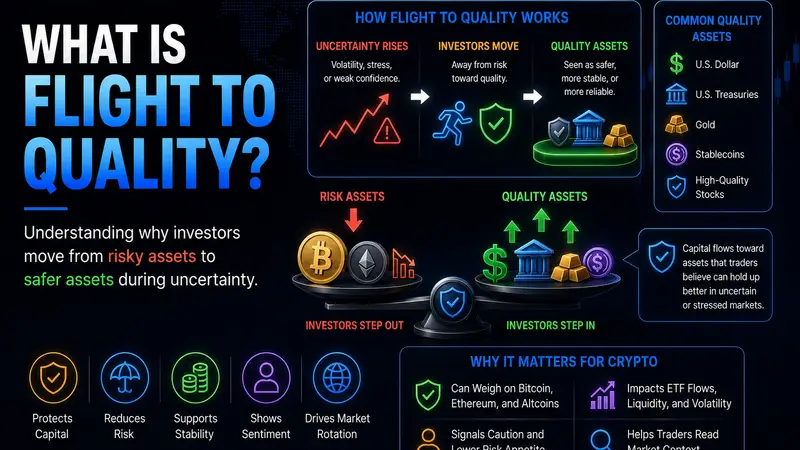
Flight to quality means traders move toward assets viewed as safer when risk appetite weakens and market uncertainty rises.

Defensive assets are watched when markets turn cautious because they can show shifts in risk appetite, liquidity, and crypto sentiment.
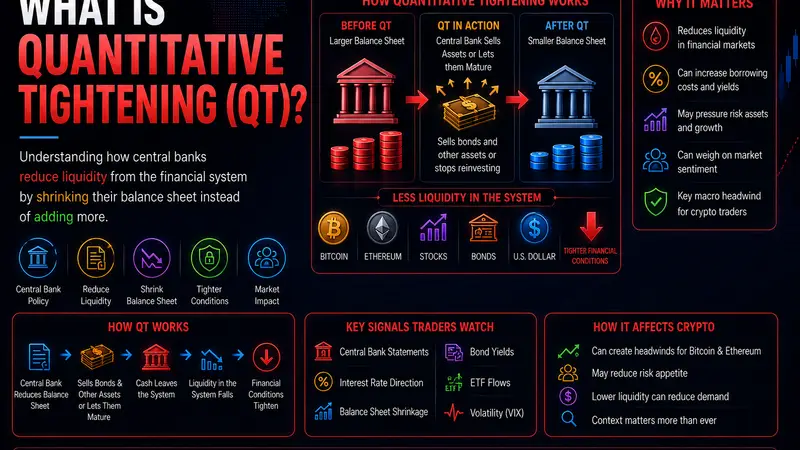
Quantitative tightening means central banks are reducing liquidity, which can affect risk appetite, rates, Bitcoin, Ethereum, and crypto sentiment.
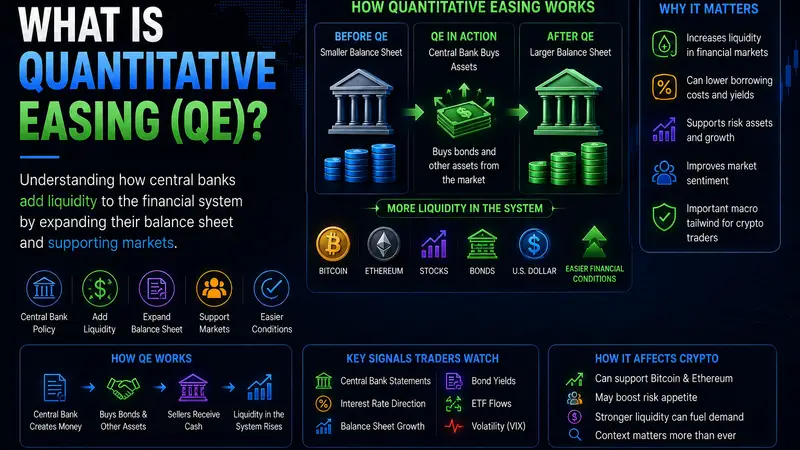
Quantitative easing means central banks add liquidity, which can affect risk appetite, rates, Bitcoin, Ethereum, and crypto sentiment.
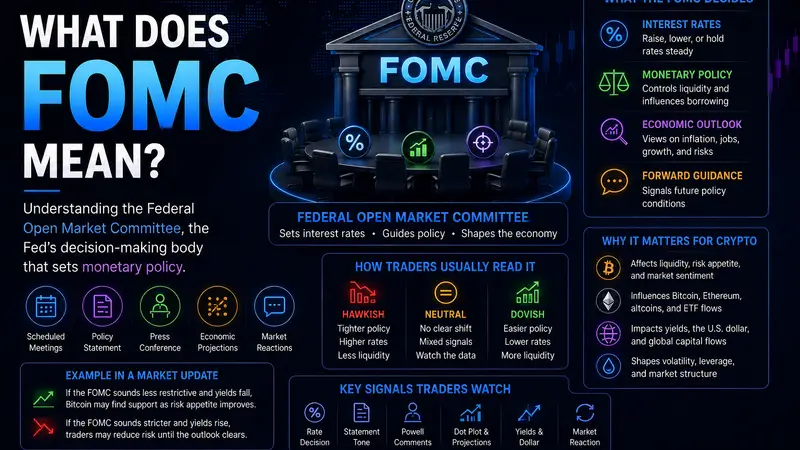
FOMC helps explain how Federal Reserve policy can affect rates, liquidity, risk appetite, and crypto market sentiment.
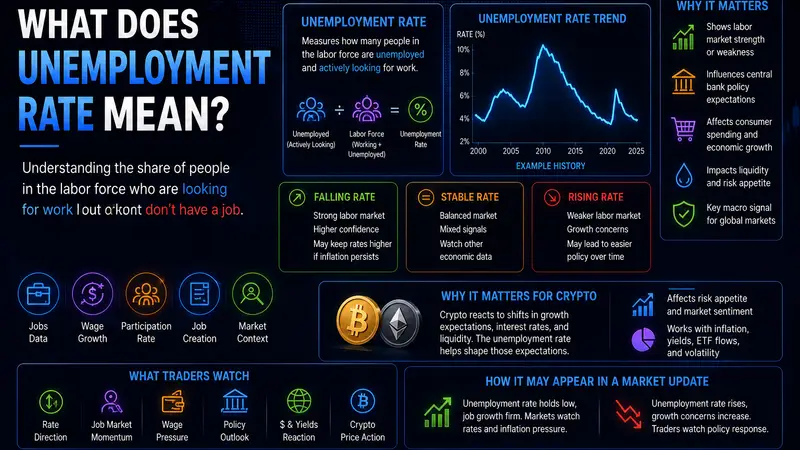
The unemployment rate helps traders read labor market strength, economic cooling, and macro pressure around risk assets.
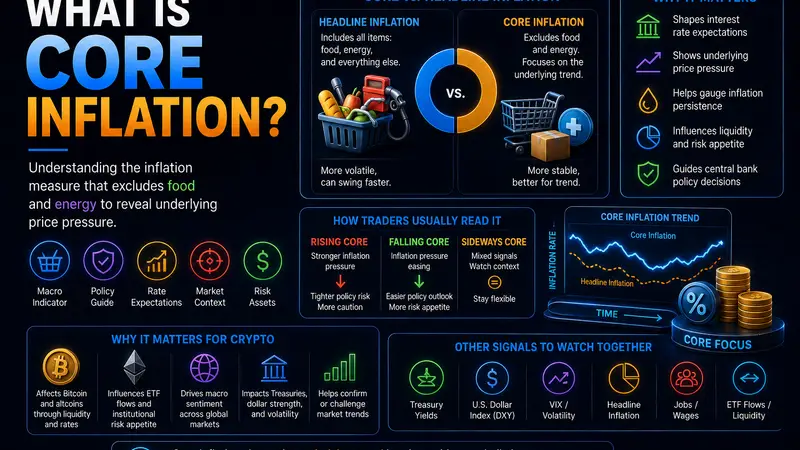
Core inflation helps traders read underlying price pressure, rate expectations, liquidity, and risk appetite.
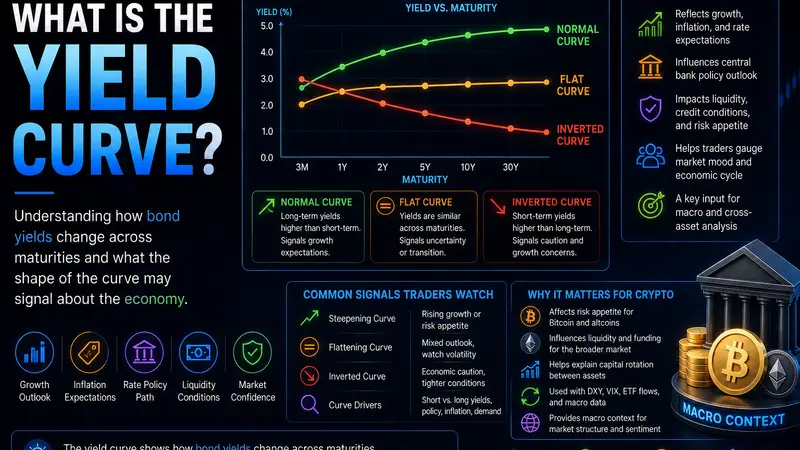
Yield curve helps traders read interest rate expectations, macro pressure, liquidity, and risk appetite.
Beginner-friendly crypto, macro, and market structure explainers for reading the Daily Pulse with more context.
Showing 217–228 of 326 guides
Layer 1 means the base blockchain network that records transactions, supports security, and helps shape crypto market structure.
Stablecoin reserves help traders understand stablecoin backing, confidence, liquidity, and how stablecoin risk can affect crypto markets.
Stablecoin supply shows how much cash-like crypto capital is available and can help traders read liquidity and market participation.
Flight to safety means traders move toward assets viewed as safer when risk appetite weakens and uncertainty rises.
Flight to quality means traders move toward assets viewed as safer when risk appetite weakens and market uncertainty rises.
Defensive assets are watched when markets turn cautious because they can show shifts in risk appetite, liquidity, and crypto sentiment.
Quantitative tightening means central banks are reducing liquidity, which can affect risk appetite, rates, Bitcoin, Ethereum, and crypto sentiment.
Quantitative easing means central banks add liquidity, which can affect risk appetite, rates, Bitcoin, Ethereum, and crypto sentiment.
FOMC helps explain how Federal Reserve policy can affect rates, liquidity, risk appetite, and crypto market sentiment.
The unemployment rate helps traders read labor market strength, economic cooling, and macro pressure around risk assets.
Core inflation helps traders read underlying price pressure, rate expectations, liquidity, and risk appetite.
Yield curve helps traders read interest rate expectations, macro pressure, liquidity, and risk appetite.