
July 20262 minBeginner
What Is Asset Allocation?
Asset allocation means how a portfolio is divided across different assets and levels of risk.
023
Read guideLoading page…
Beginner-friendly crypto, macro, and market structure explainers for reading the Daily Pulse with more context.
Showing 1–12 of 326 guides
Asset allocation means how a portfolio is divided across different assets and levels of risk.

Portfolio rebalancing means adjusting asset weights so a portfolio moves closer to its intended mix.
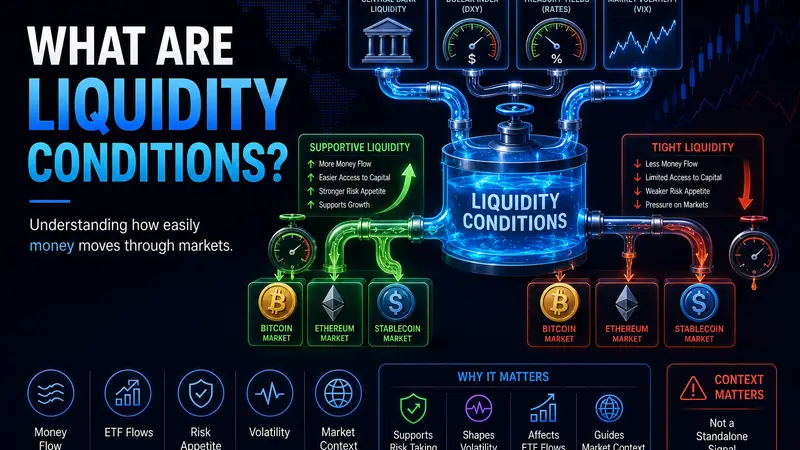
Liquidity conditions describe how easily money moves through markets and why that can affect crypto sentiment, risk appetite, and volatility.

Risk capital shows how willing investors are to take risk, which can shape liquidity, sentiment, and crypto market participation.

Capital outflows show where money is leaving a market and can shape liquidity, risk appetite, and crypto market behavior.

Capital inflows show where money is entering a market and can shape liquidity, risk appetite, and crypto market behavior.

Institutional adoption means larger financial players are becoming more involved in crypto, often affecting flows, liquidity, and sentiment.

Mining difficulty shows how hard it is for miners to add new blocks and helps traders read Bitcoin’s network backdrop.

A validator helps confirm blockchain transactions and supports network security, especially on proof-of-stake networks.

Staking means committing crypto to support a proof-of-stake network and can affect supply, liquidity, rewards, and sentiment.

Smart contracts are blockchain programs that automate actions and help power DeFi, tokens, stablecoins, and crypto apps.
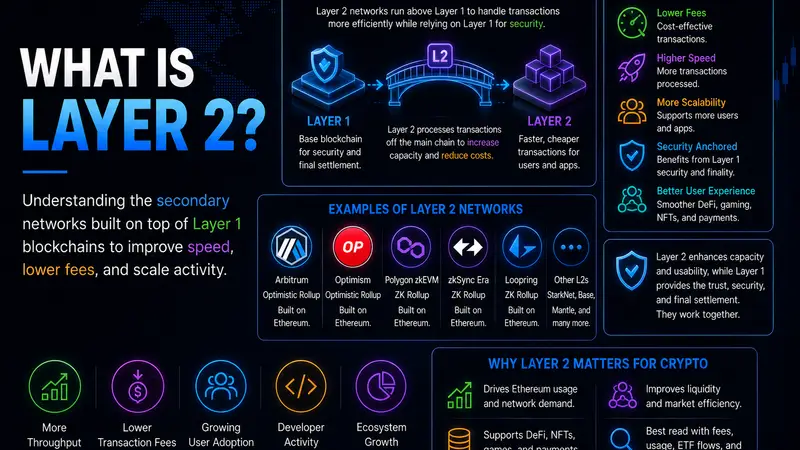
Layer 2 helps blockchains handle more activity by moving some transactions above the base chain while still relying on it for support.
Beginner-friendly crypto, macro, and market structure explainers for reading the Daily Pulse with more context.
Showing 205–216 of 326 guides
Asset allocation means how a portfolio is divided across different assets and levels of risk.
Portfolio rebalancing means adjusting asset weights so a portfolio moves closer to its intended mix.
Liquidity conditions describe how easily money moves through markets and why that can affect crypto sentiment, risk appetite, and volatility.
Risk capital shows how willing investors are to take risk, which can shape liquidity, sentiment, and crypto market participation.
Capital outflows show where money is leaving a market and can shape liquidity, risk appetite, and crypto market behavior.
Capital inflows show where money is entering a market and can shape liquidity, risk appetite, and crypto market behavior.
Institutional adoption means larger financial players are becoming more involved in crypto, often affecting flows, liquidity, and sentiment.
Mining difficulty shows how hard it is for miners to add new blocks and helps traders read Bitcoin’s network backdrop.
A validator helps confirm blockchain transactions and supports network security, especially on proof-of-stake networks.
Staking means committing crypto to support a proof-of-stake network and can affect supply, liquidity, rewards, and sentiment.
Smart contracts are blockchain programs that automate actions and help power DeFi, tokens, stablecoins, and crypto apps.
Layer 2 helps blockchains handle more activity by moving some transactions above the base chain while still relying on it for support.